Periodontal Treatment for Persistent Gum Swelling and Redness

Persistent gum swelling and redness are easy to dismiss at first. Many people assume they brushed too hard, caught a popcorn hull under the gumline, or simply need a better mouthwash. That can be true for a day or two. When the irritation lingers, though, the picture changes. Gums that stay puffy, tender, or bright red are often reacting to bacterial plaque, tartar buildup, or deeper inflammation around the teeth. At that point, waiting rarely helps.
In clinical practice, one of the most common patterns goes like this: a patient notices bleeding while brushing, then starts brushing less thoroughly because the area feels sore. Plaque builds faster, swelling worsens, and a mild gingivitis case gradually turns into something more stubborn. The important detail is not just the redness itself, but its persistence. Healthy gums are usually firm, coral pink to deeper pigmented tones depending on the individual, and they do not remain swollen for weeks.
Periodontal Treatment is the broad term for care directed at the supporting structures of the teeth, including the gums, bone, and periodontal ligament. For someone with ongoing swelling and redness, the goal is straightforward, reduce inflammation, remove the cause, and prevent the tissues from breaking down further. The exact treatment depends on what is driving the problem.
What persistent swelling and redness often mean
Gum tissue becomes red and enlarged when blood flow and inflammatory activity increase in response to irritation. The most frequent culprit is bacterial biofilm, the sticky film that forms on teeth every day. If it is not removed thoroughly, it hardens into calculus, often called tartar, especially near the gumline and behind the lower front teeth. Once that rough surface is in place, bacteria cling to it more easily, and the gums have little chance to calm down.
Early gum inflammation, or gingivitis, can cause redness, puffiness, bleeding, and bad breath without bone loss. The reassuring part is that gingivitis is usually reversible with proper care. The concern is that not every case stays at that stage. If inflammation extends deeper and the tissues begin to detach from the teeth, pockets can form. Over time, that process may lead to periodontitis, where bone support is affected.
Not every red, swollen gum is caused by plaque alone. Dentistry is rarely that neat. Food impaction, faulty fillings, dry mouth, mouth breathing, tobacco use, orthodontic appliances, grinding, hormonal changes, and certain medications can all complicate the picture. I have also seen patients convinced they had a “gum infection” when the real issue was a cracked tooth or a draining abscess. The gums were swollen, yes, but the treatment needed to focus on the tooth, not only the gum tissue around it.
That is why persistent symptoms deserve an actual exam rather than a guess and a stronger toothpaste.
The difference between a temporary flare and a periodontal problem
Short-lived irritation tends to improve quickly once the trigger is removed. A sesame seed wedged between two teeth can cause surprising tenderness, but if the area is cleaned and the tissue is otherwise healthy, the swelling often settles within a couple of days. Periodontal inflammation behaves differently. It may fluctuate, but it rarely disappears completely on its own because the bacterial deposits and pocketing remain.
A few signs make a periodontal issue more likely. Bleeding with brushing or flossing is one. A feeling that the gums are “loose” or rounded around the teeth is another. Some people notice a bad taste, persistent morning breath, or spaces developing where floss used to snap through tightly. Others are surprised to learn they have gum disease because they feel no pain at all. That is common. Gum disease can stay deceptively quiet until enough damage has accumulated.
Pain is an unreliable guide here. Severe redness with little discomfort can still signal a significant problem.
How a dentist or periodontist evaluates the gums
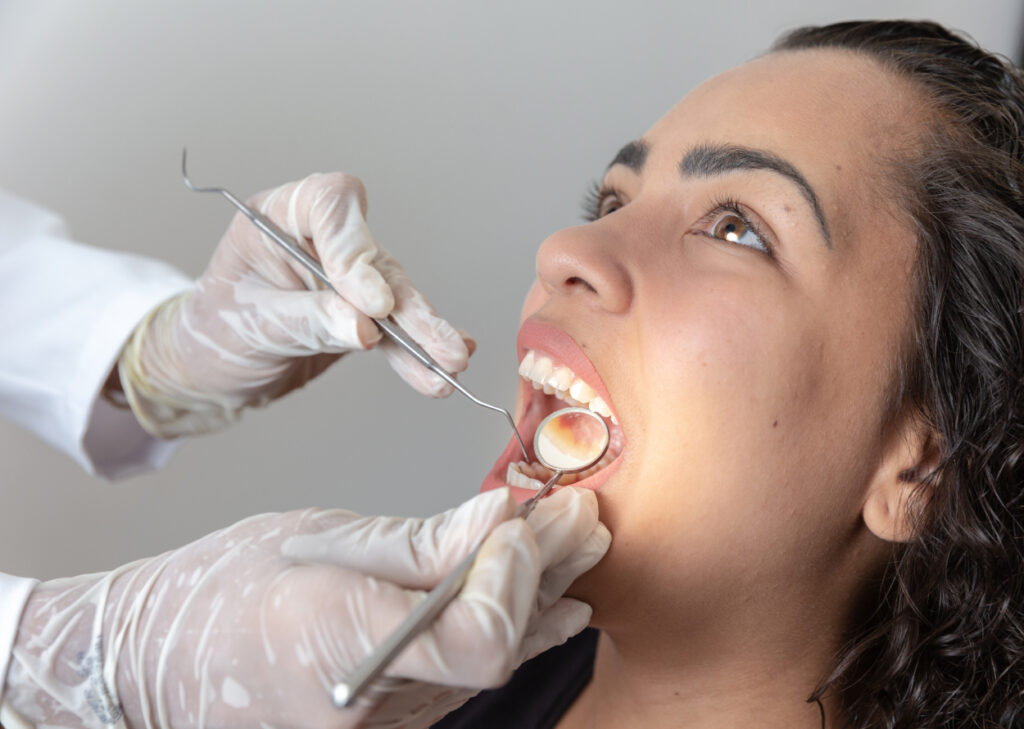
The first visit is less dramatic than many people expect, but it is detailed. A proper periodontal assessment typically includes a visual exam, periodontal probing, and radiographs when needed. Probing means measuring the depth of the space between the tooth and the gum. In healthy tissue, those measurements are usually shallow. Deeper readings can suggest detachment, inflammation, or bone loss.
The pattern matters as much as the number. Generalized mild swelling across the whole mouth often points toward plaque-related gingivitis. Deep isolated pockets around one tooth may suggest a localized issue, such as a retained bit of calculus, a root irregularity, a poorly contoured crown, or even a vertical root fracture. I have seen patients receive repeated cleanings on one sore spot that never improved because a cracked root was the real source. Good diagnosis prevents that kind of frustrating cycle.
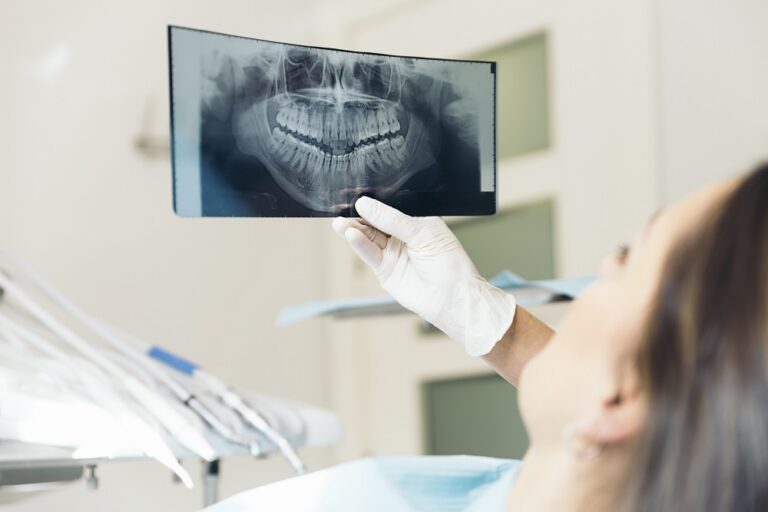
X-rays help clarify whether bone levels are stable or already reduced. They can also reveal tartar below the gumline, defects around old dental work, or other conditions that mimic periodontal inflammation. If the gums look unusually enlarged, ulcerated, or atypical in color or texture, a clinician may consider non-plaque causes as well.
When Periodontal Treatment is the right answer
Periodontal Treatment is indicated when the inflammation is tied to bacterial deposits and supporting tissue involvement. In simpler cases, that may mean a professional cleaning combined with improved home care. In more advanced cases, it may involve deep cleaning below the gumline, antimicrobial therapy, closer maintenance intervals, or surgical correction.
The right approach is not based on redness alone. It is based on the depth of inflammation, the presence of pockets, the amount of calculus, bleeding levels, recession, https://www.google.com/maps?cid=6886544599407677320 mobility, bone support, and the patient’s risk factors. A 24-year-old with generalized bleeding but no bone loss needs something different from a 58-year-old smoker with 6 millimeter pockets and furcation involvement around molars.
That distinction matters because overtreatment wastes time and money, while undertreatment allows damage to continue.
What treatment usually involves
For mild to moderate gum inflammation, the first phase of care is usually mechanical disruption of plaque and removal of calculus. If the deposits are above the gumline and the condition is limited to gingivitis, a routine prophylaxis may be enough. If inflammation extends deeper and deposits are trapped under the gums, scaling and root planing is often recommended.
Scaling and root planing is commonly described as deep cleaning, though that phrase can undersell what is happening. The clinician is cleaning contaminated root surfaces below the gumline, smoothing areas where bacteria adhere, and reducing the bacterial load inside periodontal pockets. Depending on the extent, treatment may be completed in one visit or divided by sections of the mouth with local anesthesia.
Patients often ask whether this is painful. During the procedure, adequate numbing usually makes it tolerable. Afterward, some tenderness, sensitivity to cold, and minor soreness for a few days are common. The gums can shrink slightly as inflammation resolves, which is actually a good sign, though it may temporarily make the teeth feel more exposed.
If there is a distinct periodontal abscess, active drainage or a localized acute infection may need to be addressed promptly. Antibiotics are not routine for every case of swollen gums, and they are not a substitute for removing plaque and calculus. They may be useful in specific situations, such as certain aggressive presentations, acute spreading infection, or when systemic involvement is present. Used casually, they offer only temporary suppression while the underlying problem remains.
What happens after the first phase
This is where many treatment plans succeed or fail. The initial cleaning reduces the bacterial burden, but the tissues need time and consistent daily care to heal. A reevaluation, often several weeks later, checks whether bleeding has dropped and pocket depths have improved. In many moderate cases, that first phase produces a clear improvement. Gums look less angry, patients brush more comfortably, and the mouth simply feels cleaner.
Some sites do not respond fully. Deep pockets can remain, especially around molars or in areas with root grooves, furcations, or difficult anatomy. In those situations, additional Periodontal Treatment may be appropriate. That might mean targeted retreatment, local antimicrobial placement, referral to a periodontist, or periodontal surgery to gain better access and reduce pocket depth.
Surgery sounds intimidating, but it is not always extensive. Sometimes it is simply the most predictable way to clean complex root surfaces and reshape tissue for easier maintenance. In selected cases with specific defects, regenerative procedures may be considered. These decisions are highly case-dependent. The practical question is not whether surgery sounds unpleasant, but whether it offers a more stable result than repeating conservative care that has already plateaued.
Why home care can either support treatment or quietly undo it
Professional care is episodic. Bacterial plaque forms every day. That imbalance is the heart of periodontal disease management. The best deep cleaning in the world cannot protect the gums if plaque is allowed to accumulate heavily again within days.
What tends to work best is not aggressive scrubbing but meticulous consistency. Patients often overestimate how much pressure they need and underestimate how important technique is. Inflamed gums do bleed more easily, and that can tempt people to avoid the area. In reality, gentle but thorough cleaning is what allows the tissue to recover.
A practical home routine usually includes:
- brushing twice daily with a soft-bristled toothbrush or powered brush
- cleaning between the teeth once daily with floss, interdental brushes, or another aid suited to the space
- using any prescribed antimicrobial rinse exactly as directed, not indefinitely unless advised
- replacing worn brushes and keeping tools clean
- returning for periodontal maintenance at the interval recommended, often every three to four months in active cases
That last point deserves emphasis. Once someone has had periodontitis, they often need maintenance more frequently than the classic six-month recall. This is not a sales tactic when it is properly recommended. Periodontal pockets can repopulate with pathogenic bacteria relatively quickly, and high-risk patients benefit from closer supervision.
Why some people keep having swollen gums despite trying hard
This is one of the more frustrating scenarios for patients, especially those who are genuinely putting in the effort. Sometimes the issue is technique. A person may brush faithfully but miss the gumline, or floss only the front teeth while leaving crowded back contacts untouched. Sometimes the tools are wrong for the mouth. Tight contacts may need floss, while larger spaces respond better to interdental brushes. One size does not fit all.
Other times the reason sits outside the brush and floss conversation. Smoking is a major one. Tobacco alters blood flow, changes immune response, and reduces healing capacity. It also masks bleeding, so the gums may look less dramatic than the disease beneath them. Diabetes, especially if poorly controlled, raises periodontal risk and can intensify inflammation. Certain medications can enlarge gum tissue or contribute to dry mouth. Mouth breathing can leave the front gums persistently irritated. Pregnancy and hormonal fluctuations can amplify the tissue response to plaque that might otherwise cause only mild inflammation.
Then there are local mechanical factors. A crown margin that traps plaque, a filling overhang, a poorly fitting aligner attachment area, or a retainer that is never cleaned can keep one area inflamed no matter how committed the patient is. If the same spot keeps flaring up, that pattern is a clue. Healthy gums are usually consistent. Recurrent isolated swelling is often telling you something specific.
What results patients can reasonably expect
For plaque-related gingivitis, improvement can be surprisingly fast. Within one to two weeks of effective cleaning and professional debridement, many gums look noticeably less red and swollen. Bleeding declines. Breath improves. The tissue starts to firm up.
Periodontitis is slower and more variable. Inflammation may improve quickly, but pocket reduction, comfort, and long-term stability depend on the severity of disease, smoking status, systemic health, and how effectively plaque is controlled afterward. Some patients stabilize beautifully with non-surgical care and maintenance. Others need additional intervention to manage deeper defects.
One honest point that patients appreciate is this: successful Periodontal Treatment often results in gums that look a bit smaller because the puffiness resolves. People sometimes worry that they are “losing gum” when they are actually seeing the tissue return to a healthier contour. If there was already recession hidden by swelling, it may become more visible once healing begins. That can also expose root surfaces and increase sensitivity. These are manageable trade-offs, but they should be discussed beforehand.
Red flags that should not be ignored
Not every swollen gum can wait for the next routine cleaning. Some situations call for prompt evaluation because the issue may be more acute or more serious than ordinary gingivitis.
- rapid swelling over hours or a couple of days
- pus, foul taste, or a pimple-like bump on the gum
- fever, facial swelling, or difficulty opening the mouth
- a loose tooth that suddenly feels different
- gum changes that look unusual, ulcerated, or do not improve after care
These signs do not automatically mean a severe emergency, but they move the problem into a different category. A spreading dental infection, periodontal abscess, endodontic problem, or non-plaque lesion should be assessed quickly.
The role of a periodontist
General dentists manage a large amount of gum disease very well, especially early and moderate cases. A periodontist becomes especially valuable when the diagnosis is uncertain, pockets are deep, inflammation persists after initial therapy, surgery may improve the outcome, or the patient has a complex history involving implants, grafting, or advanced bone loss.
Referral is not a sign that routine care failed. It is often the most efficient way to protect teeth that are becoming harder to maintain. In many communities, general dentists and periodontists work closely together, with treatment shared according to the stage of disease and the patient’s needs.
How prevention looks once the gums are stable
After active inflammation is controlled, the aim shifts from rescue to maintenance. This phase can feel uneventful, and that is exactly what you want. Stable gums do not draw attention to themselves. They do not bleed every time you floss. They do not feel puffy by evening. They do not create a persistent metallic taste.
Long-term success usually depends less on one dramatic intervention and more on repeated small decisions. Showing up for maintenance. Cleaning the hard-to-reach lower molars even when you are tired. Replacing a brush head before it splays. Addressing dry mouth. Asking about that rough filling edge instead of ignoring it for another year. These are ordinary actions, but in periodontal care, ordinary actions are what preserve ordinary chewing, speaking, and smiling.
Persistent swelling and redness are often the earliest visible invitation to act. They are the part you can see before deeper damage becomes obvious. If the gums have stayed inflamed beyond a brief irritation, professional evaluation is worth it. Periodontal Treatment works best when it starts before mobility, recession, and bone loss become the main story. At that earlier stage, the tissues are more responsive, the options are simpler, and the chance of keeping the mouth comfortable and stable is much better.
Avra Dental
Address: 1708 S Victoria Ave B, Ventura, CA 93003
Phone number: (805) 941-1001
FAQ About Periodontal Treatment
Can a dentist get rid of periodontal disease?
A dentist or gum specialist (periodontist) cannot fully cure or reverse advanced periodontal disease (periodontitis), but they can successfully stop its progression and manage the infection.
Is periodontitis very serious?
Yes, periodontitis is a very serious, advanced form of gum disease that destroys the bone and tissues supporting your teeth.
How is stage 2 periodontal disease treated?
Stage 2 periodontal disease (early to moderate periodontitis) is primarily treated with non-surgical deep cleaning procedures like scaling and root planing to remove bacteria and tartar below the gumline.