Can You Treat Gum Disease at Home or Need Professional Treatment?

Gum disease has a way of sneaking up on people. It rarely starts with dramatic pain. More often, it begins with small signs that are easy to dismiss: a little blood in the sink after brushing, breath that seems harder to freshen, or gums that look slightly puffy along the edges. Because those early changes can feel minor, many people wonder whether home care is enough or whether they truly need a dentist involved.
The short answer is this: some early gum irritation can improve at home, but established gum disease usually needs professional treatment. Knowing where that line falls matters. Wait too long, and a problem that might have responded to a deep cleaning can progress to bone loss, loose teeth, and complex care.
That distinction is at the heart of good Gum Disease Treatment. Home care plays a critical role, but it has limits. Once plaque hardens into tartar below the gumline, no toothbrush, rinse, or internet remedy can remove it. At that stage, professional treatment is not optional, it is the thing that stops the disease from advancing.
What gum disease actually is
People often use "gum disease" as a catch-all term, but there are really two broad stages. The first is gingivitis. This is inflammation of the gums caused by bacterial plaque collecting around the teeth. Gums may look redder than usual, feel tender, or bleed when brushing or flossing. The important point is that gingivitis is generally reversible if plaque is removed and oral hygiene improves.
The second stage is periodontitis. Here, the inflammation moves deeper. The tissues and bone that support the teeth begin to break down. The gums can pull away from the teeth and form pockets where bacteria thrive. This process is more serious because the body is no longer dealing with surface irritation alone. There is structural https://www.google.com/maps?cid=18093465857196756038 damage.
In practice, many patients do not notice the transition. A person may say, "My gums have bled for years, but they never hurt." That is common. Gum disease is often painless until it is advanced. Pain is a poor guide.
When home care may be enough
If the issue is early gingivitis, improving home care can make a meaningful difference. A fairly typical scenario is someone who has gone through a stressful month, fallen off their flossing routine, and started noticing bleeding at the gumline. If the gums are inflamed but there is no tartar buildup deep under the tissue and no attachment loss, a return to thorough oral hygiene may settle things down.
In these cases, the goals at home are simple: disturb plaque every day, reduce bacterial load, and give the tissue a chance to heal. Brushing twice a day with proper technique matters more than brushing aggressively. Soft bristles are usually best. Floss or interdental brushes help where a toothbrush cannot reach. If a dentist has recommended an antimicrobial rinse, that can be useful for a short period. Even so, home care works best when it is paired with an accurate diagnosis. People often assume they have mild gingivitis when they actually have something deeper.
One practical point deserves emphasis. Bleeding is not a sign that you should avoid cleaning the area. Quite the opposite. Bleeding gums usually indicate inflammation, and the answer is usually better plaque removal, done gently and consistently, not less.
Where at-home treatment reaches its limit
There is a major difference between soft plaque and hardened tartar. Plaque is a sticky bacterial film that can be disrupted with daily brushing and interdental cleaning. Tartar, also called calculus, is mineralized plaque. Once it forms, it bonds tightly to the tooth surface. If it sits at or below the gumline, it acts like a rough shelf that holds more bacteria and keeps the tissue inflamed.
No home remedy dissolves clinically significant tartar safely and effectively. Salt water can soothe tissue. Good brushing can reduce new plaque formation. Certain rinses can lower bacterial counts for a while. None of these remove the existing hard deposits that are driving the disease.
This is the point many people miss when searching for natural or DIY Gum Disease Treatment. Home methods can support healing, but they cannot replace mechanical removal of tartar from above and below the gumline. If gum pockets have formed, if bone loss has begun, or if teeth feel different when you bite, professional care is the only sensible path.
Signs that suggest you need a dentist, not just a better toothbrush
Some symptoms strongly suggest the problem has gone beyond simple irritation. If you have any of the following, it is wise to book an appointment rather than experiment for months at home:
- Bleeding gums that continue for more than a week or two despite improved brushing and flossing
- Gum recession, teeth that look longer, or black triangles appearing between teeth
- Persistent bad breath or a bad taste that keeps returning
- Loose teeth, shifting teeth, or changes in how your bite fits together
- Pus, swelling, or tenderness around the gums
A patient once described feeling as though one front tooth had "moved overnight." It had not happened overnight at all. The supporting bone had gradually diminished, and the final shift was simply the first thing they could feel. That sort of change should never be treated as a home-care project.
What professional treatment usually involves
Professional Gum Disease Treatment is not one single procedure. It depends on severity. For gingivitis, a thorough professional cleaning combined with improved home care may be enough. For periodontitis, treatment often includes scaling and root planing, sometimes called a deep cleaning. This involves removing plaque and tartar from above and below the gumline and smoothing the root surfaces to make it harder for bacteria to recolonize.
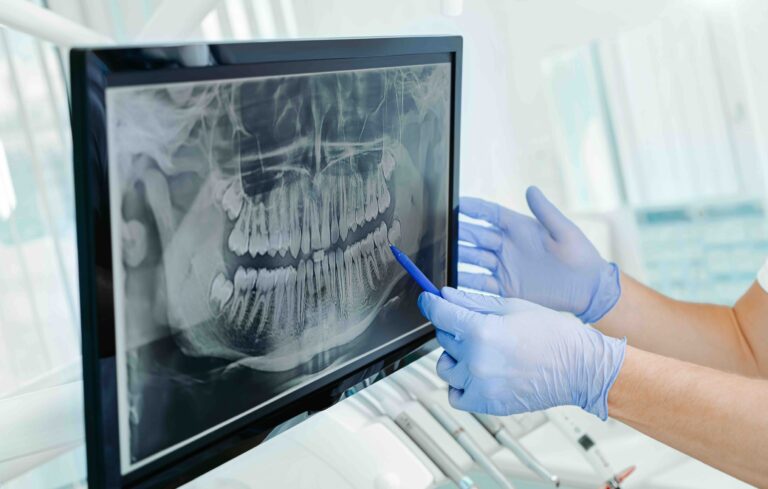
Dentists and periodontists also measure pocket depths around each tooth. Healthy gums fit more snugly around teeth, while deeper pockets suggest tissue breakdown. X-rays may be used to look for bone loss. These details matter because treatment should match the condition. A quick polish for someone with advanced periodontitis does not address the disease.
In more stubborn cases, treatment may include localized antibiotics, reevaluation visits, more frequent maintenance cleanings, or periodontal surgery. Surgery sounds intimidating, but the reason it is sometimes recommended is straightforward: if deep pockets or complex root anatomy prevent effective cleaning, access is needed to clean and reshape the area properly.
Why "natural cures" appeal to people, and where they help
It is not hard to see why people look for home solutions. Dental treatment can be expensive, time-consuming, and anxiety provoking. The internet is also full of promises. Oil pulling, hydrogen peroxide rinses, clove oil, baking soda, turmeric pastes, and herbal mouthwashes all get mentioned as gum disease solutions.
Some of these can have a limited supportive role. Warm salt water can soothe irritated tissue. A baking soda toothpaste may help reduce acidity and surface stain. Certain over-the-counter rinses can reduce bacteria for short periods. But supportive care is not the same as disease removal. There is a real risk in feeling better temporarily while the underlying problem continues.
Hydrogen peroxide is a good example. Used inappropriately or too often, it can irritate tissue. Essential oils can also be harsh when undiluted. Charcoal powders can be abrasive. Home remedies often sound gentle because they are familiar, but familiar does not always mean harmless.
The more advanced the disease, the more dangerous false reassurance becomes. A person may notice less odor after starting a rinse and assume the gums are healing, even while deeper pocketing persists. Symptom relief and disease control are not the same thing.
The hidden risk of waiting
Time matters with gum disease. Gingivitis can often be reversed. Periodontitis can usually be managed, but the damage already done cannot always be fully rebuilt. Lost bone support does not reliably grow back on its own. Receded gums do not simply return to their original position because someone started flossing faithfully in June.
That does not mean there is no hope. Far from it. Many people stabilize their gum health and keep their teeth for decades after proper treatment. But delay often makes treatment more involved. What starts as a routine cleaning may become scaling and root planing. What could have been controlled with maintenance may later require surgery or extraction.
There is also a broader health context. Gum inflammation has been linked with systemic conditions such as diabetes, and the relationship goes both ways. Poorly controlled diabetes can make gum disease worse, and active gum disease can make blood sugar management harder. Smoking also changes the picture. Smokers may have less obvious bleeding, which can mask the disease, but they are at much higher risk for periodontal breakdown.
What you can do at home while arranging care
Home care still matters enormously, even when professional treatment is needed. It prepares the tissue to respond better, lowers bacterial load, and helps maintain results afterward. For someone noticing bleeding or swelling, a sensible short-term plan looks like this:
- Brush twice daily with a soft-bristled toothbrush, angling the bristles toward the gumline without scrubbing hard
- Clean between the teeth once a day with floss, picks, or interdental brushes that actually fit the spaces
- Use an antibacterial or fluoride rinse only if it suits your needs and does not cause irritation
- Avoid smoking and cut back on frequent sugary snacks or drinks
- Schedule a dental evaluation rather than waiting to see if it "goes away"
Technique matters more than force. Many people brush long enough but miss the gumline entirely, or they floss by snapping between the teeth and skipping the side of the tooth where plaque collects. A few small corrections in method can make a dramatic difference in early inflammation. Electric toothbrushes help some patients because they improve consistency, especially for people who tend to rush.
How dentists decide whether your gums can recover
From the patient side, gum disease can feel mysterious. From the clinical side, dentists look for several concrete things. They assess bleeding, tartar levels, pocket depths, recession, tooth mobility, plaque control, and radiographic evidence of bone support. They also ask about risk factors such as smoking, dry mouth, medications, diabetes, stress, and grinding.
The distinction between "you can manage this with routine cleaning and improved home care" and "you need active periodontal treatment" is not arbitrary. It is based on signs of tissue destruction. If the gums are inflamed but the supporting structures remain intact, recovery potential is excellent. If pockets are deep and bone has receded, treatment needs to be more assertive.
This is why one person can improve dramatically after a cleaning and six weeks of consistent flossing, while another with similar bleeding needs repeated periodontal therapy. The visible symptom may look alike, but the underlying disease is not.
The role of maintenance after treatment
One of the biggest misconceptions about Gum Disease Treatment is that it is a one-time fix. It is not. Gum disease behaves more like a chronic condition that can be controlled very well when the bacterial burden is kept low and monitoring continues.
After scaling and root planing or other periodontal therapy, many patients are placed on a shorter recall interval, often every three or four months rather than every six months. There is a practical reason for that. The bacterial ecosystem in periodontal pockets can repopulate over time, and people with a history of periodontitis remain more vulnerable than those who never had it.
This is where home care and professional care become partners. A deep cleaning without good daily plaque control will not hold. Excellent brushing and flossing without removal of deep tartar also will not hold. Long-term success comes from both.
I have seen patients who were certain they were headed toward losing multiple teeth, only to stabilize beautifully once they committed to maintenance. I have also seen patients improve after initial treatment, skip follow-ups for two or three years, and return with more advanced damage. The difference was not luck. It was consistency.
Special situations that change the answer
Pregnancy can make gums more reactive because hormonal changes increase inflammatory response. That can lead to more bleeding and swelling even with modest plaque levels. Home care remains vital, but professional evaluation is still important if symptoms are significant.
Braces, retainers, bridges, and implants create extra surfaces where plaque can hide. People with these appliances often need more tailored cleaning tools, such as interdental brushes, floss threaders, or water flossers. A standard brushing routine may not be enough.
Dry mouth also deserves attention. Saliva helps buffer acids and control bacterial activity. When medications, medical conditions, or mouth breathing reduce saliva flow, the gums and teeth become more vulnerable. If someone is doing "everything right" and still struggling, dry mouth may be part of the reason.
Then there are patients with a family history of severe periodontal disease. Genetics are not destiny, but they can influence susceptibility. Two people can have similar hygiene habits and very different outcomes. If close relatives lost teeth early from gum problems, it makes sense to be more proactive and less experimental.
If you are hoping to avoid treatment, ask a better question
A lot of people ask, "Can I treat this at home?" The more useful question is, "What part of this can I control at home, and what part requires a clinician?" That framing is more realistic and more productive.
You can control daily plaque removal, tobacco exposure, follow-through, and how quickly you act when symptoms show up. You cannot see below the gumline clearly, measure your own periodontal pockets accurately, or remove tartar bonded to the roots. You also cannot tell from symptoms alone how much support a tooth has lost.
That is why professional assessment matters even for people who are diligent. Good habits reduce risk, but they do not replace diagnosis.
The bottom line on home care versus professional treatment
Early gum inflammation can often improve with excellent home care. If your gums are mildly irritated because plaque has been allowed to build up, brushing and cleaning between the teeth thoroughly and consistently may reverse the problem. That is the hopeful part.
But established gum disease is different. Once tartar collects below the gumline or the supporting tissues begin to break down, home care alone is not enough. Professional Gum Disease Treatment becomes necessary to remove the cause, evaluate the damage, and prevent progression.
If your gums bleed repeatedly, your breath stays bad despite cleaning, your gums are receding, or your teeth feel loose or shifted, do not try to out-rinse or out-brush the problem for months. Use home care as support, not as denial. The earlier you get proper treatment, the simpler, more conservative, and more successful that treatment is likely to be.
Dental Group Of Beverly Hills
Address: 8641 Wilshire Blvd #125, Beverly Hills, CA 90211
Phone number: +13109296335
FAQ About Gum Disease Treatment
How to improve gum health quickly?
To improve gum health quickly, eliminate plaque buildup by brushing for two full minutes twice a day at a 45-degree angle to the gumline. Floss daily to clean under the gumline, and rinse with an antimicrobial, alcohol-free mouthwash. For immediate relief of soreness, use a warm saltwater rinse.
What is the fastest way to cure gum disease?
To quickly cure early-stage gum disease (gingivitis), eliminate the plaque buildup causing the inflammation. Brush gently but thoroughly for two minutes twice daily, floss daily, and use an antibacterial mouthwash or a warm saltwater rinse. However, if tartar has hardened, professional treatment is necessary.
How do I treat my gum disease at home?
You can treat early gum disease at home by practicing strict daily oral hygiene, rinsing with salt water or antibacterial mouthwash, and quitting smoking. True gum disease (especially advanced forms like periodontitis) cannot be fully cured at home once tartar forms, and you must see a dentist for professional cleanings.